The best meals on a trip are rarely the most expensive ones, but they are almost always the ones that were arranged in advance. That single sentence is usually enough to explain why food and wine travel keeps appearing on our advisors' desks, and why it is so often planned badly by people doing it alone. This guide is how Travel Wizards approaches it after four decades of arranging trips for clients who care about the details.
Here is a fact worth holding on to before anything else: Many of the world's most celebrated restaurants release tables 30 to 90 days out and sell them within minutes. It sounds like trivia. It is actually a planning constraint, and once you build the itinerary around it, most of the other decisions become obvious.
Who this trip suits
We recommend food and wine travel most often to couples, small groups of friends, and repeat travellers who have seen the sights. That is not a rule so much as an observation from the trips that come back with the strongest feedback. The travellers who enjoy it least are usually the ones who were sold the destination rather than the experience, and who arrived expecting a different pace than the one the place actually keeps.
For Food and Wine Travel Guide, the detail below is the one our advisors return to most. It is worth being honest with your advisor about energy levels, early mornings, walking distances, and how much unstructured time you actually want. Two travellers on identical itineraries can have completely different trips depending on how much room is left between the fixed points. We would rather over-ask at the planning stage than over-schedule on the ground.
When to go
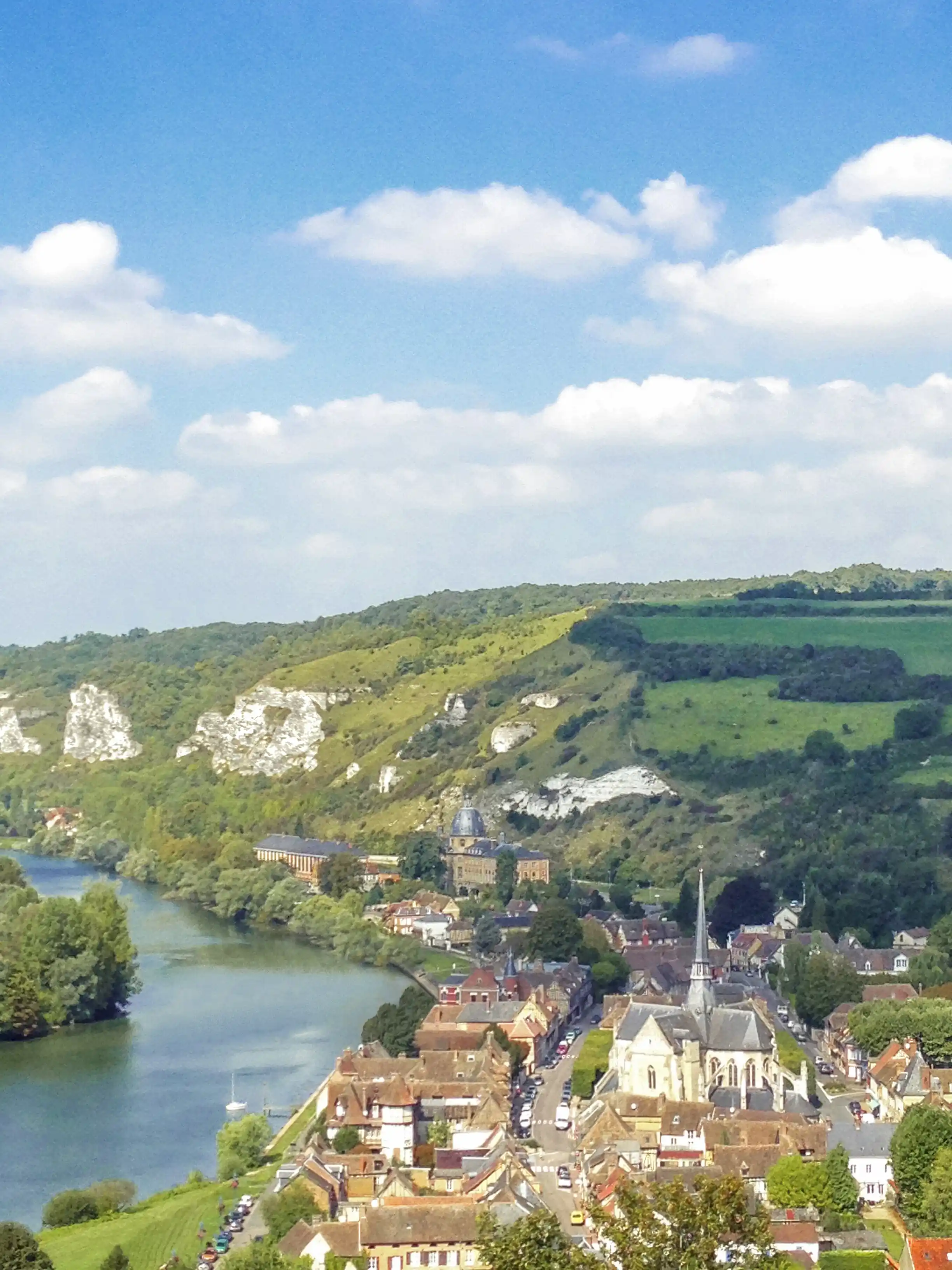
The best window is harvest months in each hemisphere: September and October in Europe, February and March in Chile and Argentina. Season drives everything downstream: rates, guide availability, restaurant access, light quality, and how many other people are standing where you want to stand. Getting the month right is worth more than any other single decision in the plan, and it is the first thing we lock before touching hotels or flights.
On Food and Wine Travel Guide, the same principle holds, with one local caveat worth stating. Shoulder edges usually offer the strongest value, with a modest weather trade-off that most travellers accept happily once they see what it buys. Peak weeks are workable, but they need to be committed early, often nine to twelve months out, and the good inventory disappears in a predictable order: the best suites first, then the best guides, then the tables worth having.
What the trip actually includes
- Private cellar tastings with the winemaker
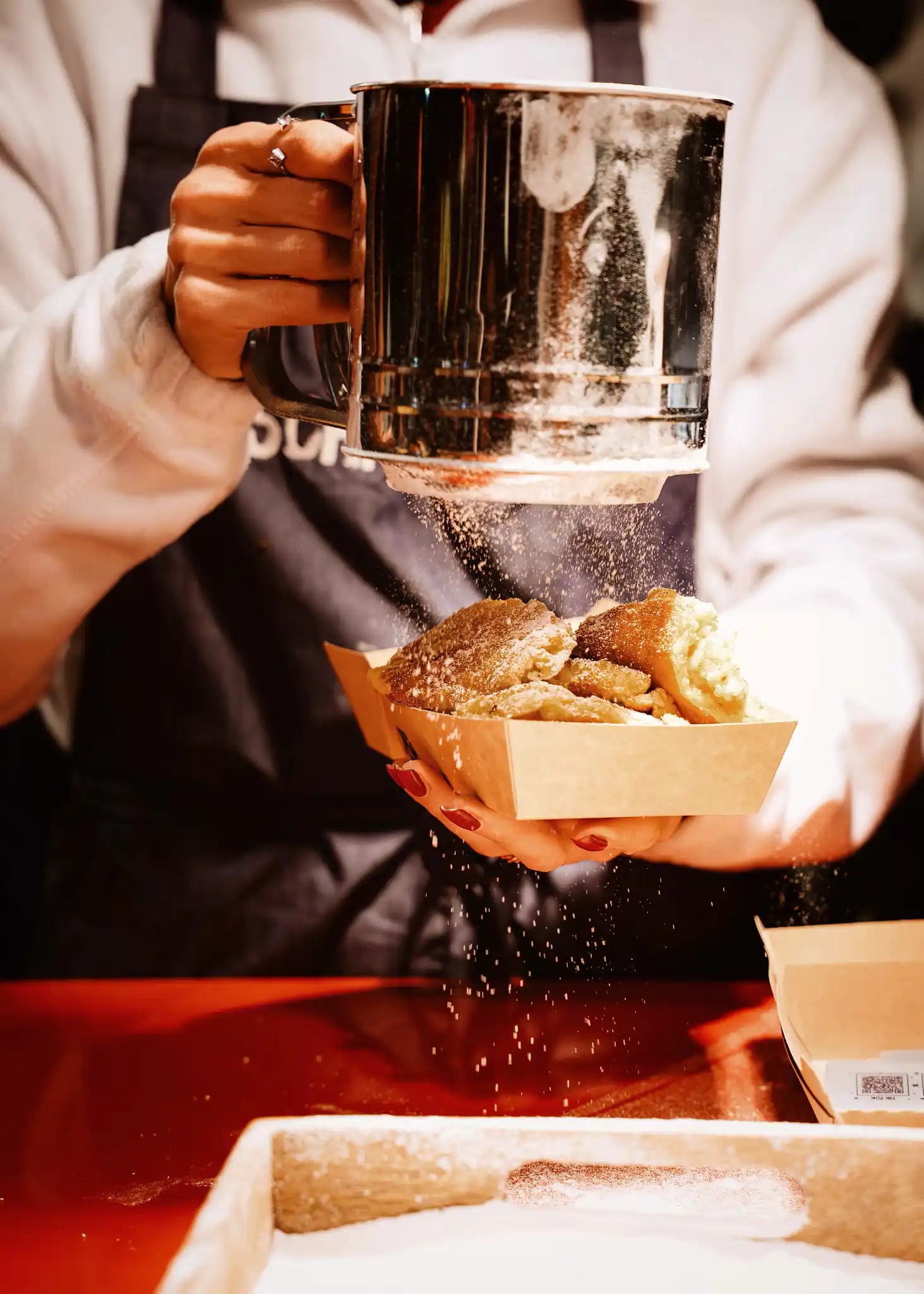
- A market walk followed by a cooking session
- Chef's counter seats at a restaurant with a long list
- Truffle hunting, olive pressing, or vineyard harvest work
- A sommelier-led vertical of a single estate
For Food and Wine Travel Guide, the detail below is the one our advisors return to most. Those are the building blocks, not a fixed programme. A well-built itinerary uses one signature element per day and keeps the rest soft, so there is room for the afternoon that goes long or the morning that starts slowly. Over-programming is the most common mistake we correct when clients bring us a draft plan they built themselves.
Where to stay
For Food and Wine Travel Guide, the detail below is the one our advisors return to most. Property selection carries unusual weight on this kind of trip, because the hotel or camp is not simply a place to sleep, it is part of the experience itself. We present two or three options with honest commentary on each: what the rooms are really like, which categories are worth the jump, where the service culture is genuinely strong, and where the photography flatters the reality.
In the context of Food and Wine Travel Guide, the practical version reads like this. As a Virtuoso member agency, Travel Wizards can layer complimentary breakfast, on-arrival amenities, upgrades where available, and preferential room assignments across roughly 2,200 hotels worldwide. Our travellers we work with typically see between $150 and $600 of on-property value per stay, at the same rate the property publishes publicly. There is no version of booking direct that beats that arithmetic.
The itineraries clients remember are the ones with room in them. Everything arrives on time, in the right order, and no one has to think about how.
Getting there and moving around
In the context of Food and Wine Travel Guide, the practical version reads like this. Long-haul flying deserves the same attention as the ground plan. We look at routings and aircraft, not just cabin class, and we schedule the first day of the trip around when you will actually land and how you will feel. On multi-stop itineraries we build in a buffer night before any non-refundable connection, because the cost of one extra night is trivial next to the cost of missing the thing you came for.
With Food and Wine Travel Guide, experience has taught us to weigh this early. Ground transport is where itineraries quietly fail. Private drivers, pre-arranged transfers, and guides who know the local timing are not indulgences on a trip like this, they are the mechanism by which the plan survives contact with reality. We handle the sequencing so you are never the person standing on a curb with luggage and a translation app.
How Travel Wizards plans it
Applied to Food and Wine Travel Guide, this is where most plans succeed or quietly slip. We start with a conversation, not a checklist. Our advisors want to hear how you travel, what you have already seen, what you are avoiding, and who is coming with you. From there we assemble a working itinerary, present property options with our commentary, and refine until it reads like your trip. We handle sourcing, confirmations, amenity blocks, and day-of support from our office in southern California.
On Food and Wine Travel Guide, the same principle holds, with one local caveat worth stating. You can read more about how we work on our /about page, browse the wider library at /guides, or read recent field notes in the /journal. When you are ready, /contact us and we will match you with the advisor who knows this kind of trip best.
Questions we get asked most
How far ahead should we book? Nine to twelve months for peak dates, three to six for shoulder, and longer for anything permit-based. How long should the trip be? Long enough that the travel days are a minority of the days. Is it worth the premium over a packaged version? For food and wine travel, almost always, because the difference is access and timing rather than thread count.
With Food and Wine Travel Guide, experience has taught us to weigh this early. What if something goes wrong? That is the part of the value that never appears in a brochure. Weather, strikes, mechanical delays, and illness happen on a percentage of every year's trips, and having one person who can rebook, reroute, and call the property directly is worth more than any single amenity in the plan.
A briefing you can screenshot
- Best window: harvest months in each hemisphere: September and October in Europe, February and March in Chile and Argentina.
- Best suited to: couples, small groups of friends, and repeat travellers who have seen the sights.
- Book peak dates 9 to 12 months ahead, shoulder 3 to 6.
- Plan one signature experience per day, no more.
- Virtuoso amenities add $150 to $600 of value per stay.
For an independent reference point, see James Beard Foundation: https://www.jamesbeard.org/. For related reading, browse the rest of the /guides library, our /journal, or the /destinations hub, and speak to a Travel Wizards advisor when you are ready to turn this into dates.
Outside reference: James Beard Foundation
Let a Wizard shape it for you.
Every itinerary is tailored, insider-arranged, and backed by 45 years of relationships.
Start planning